J. Randle Centre for Yorùbá Culture and History
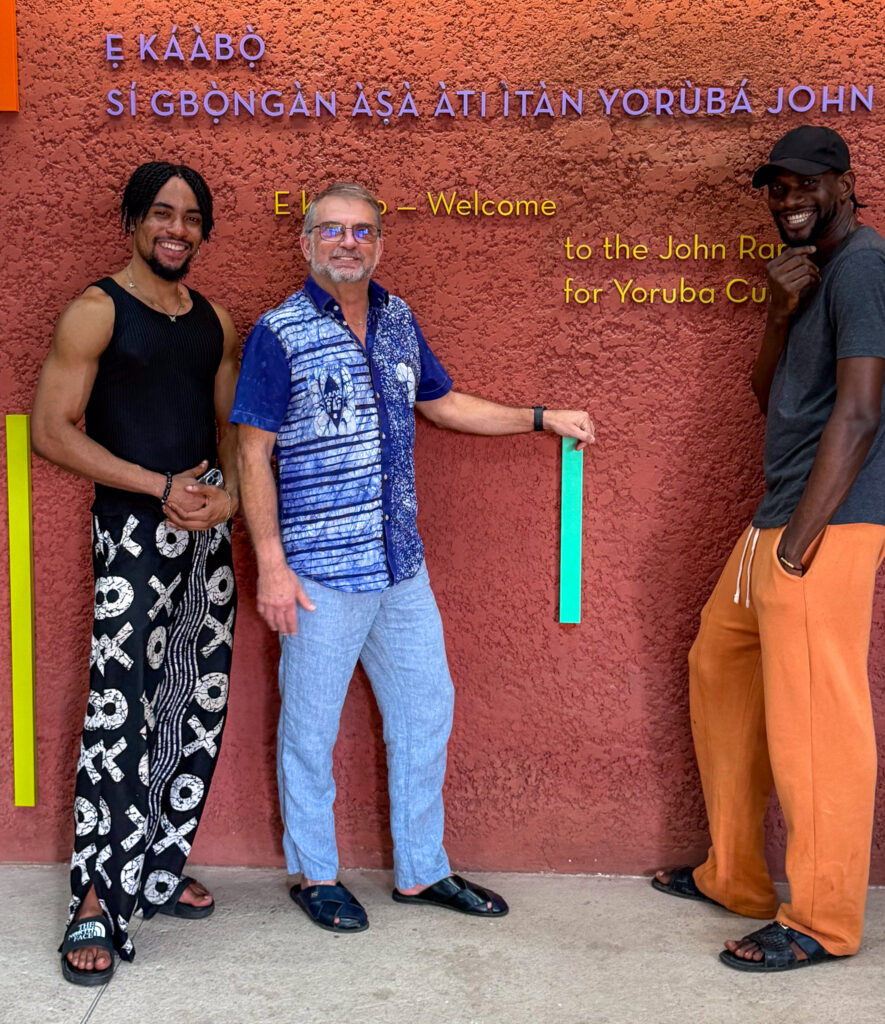
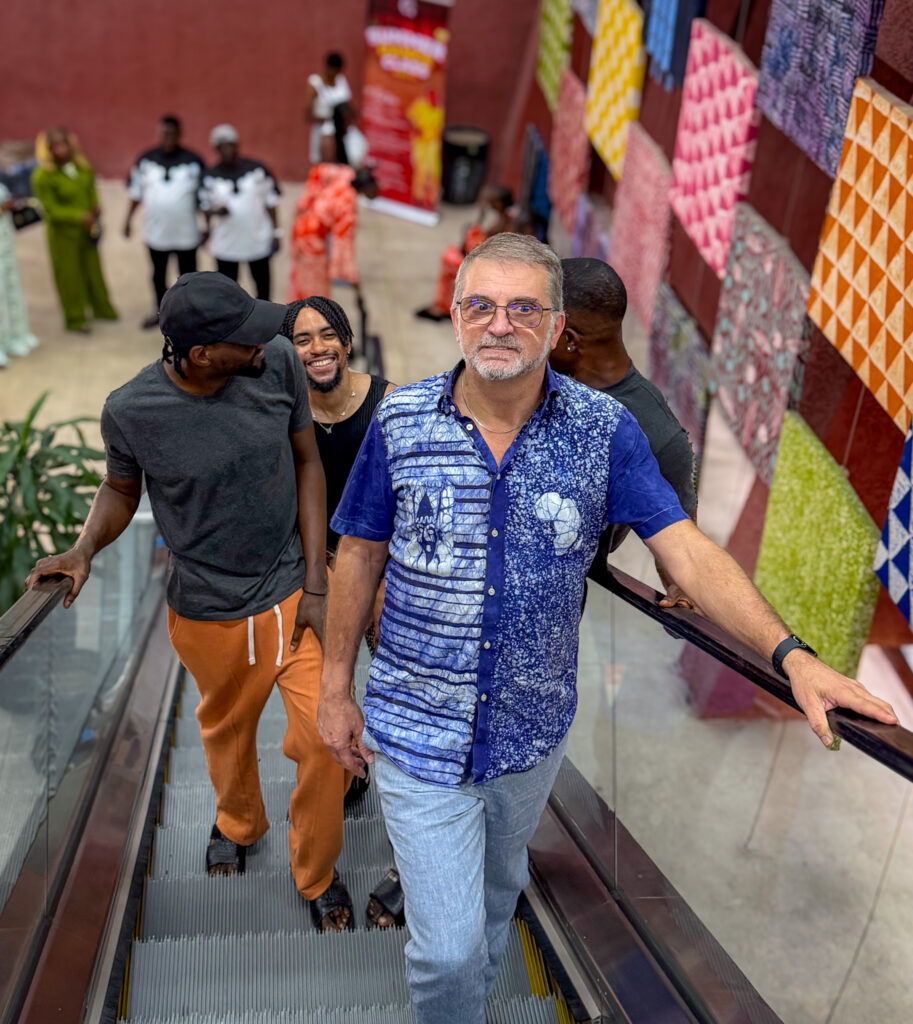
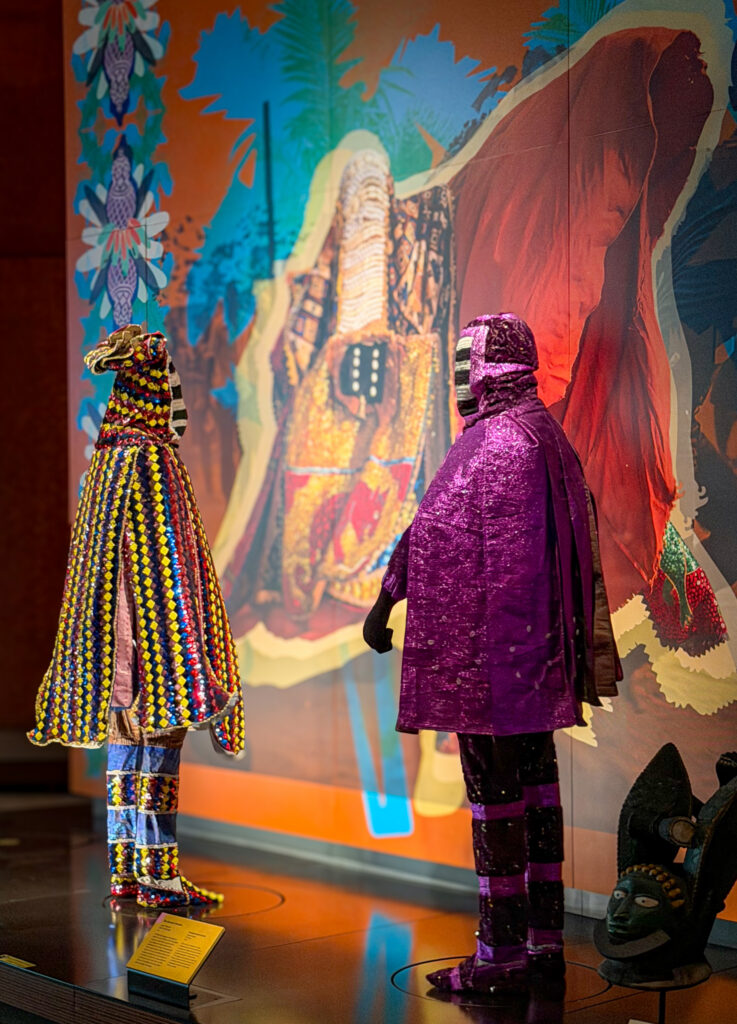
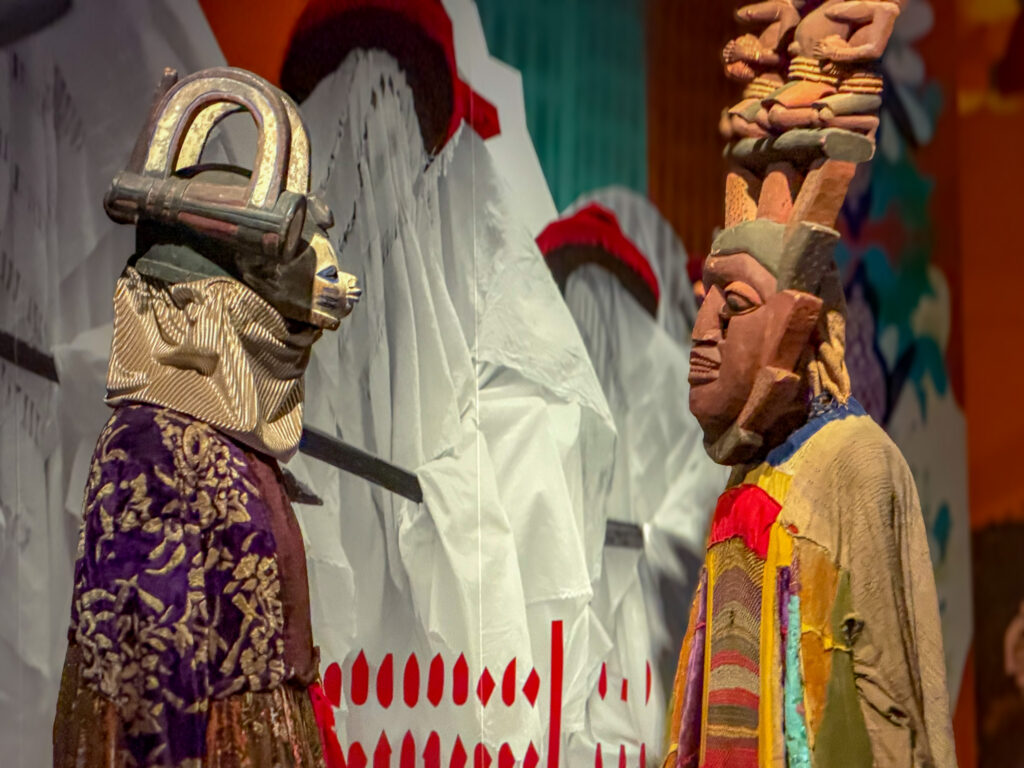
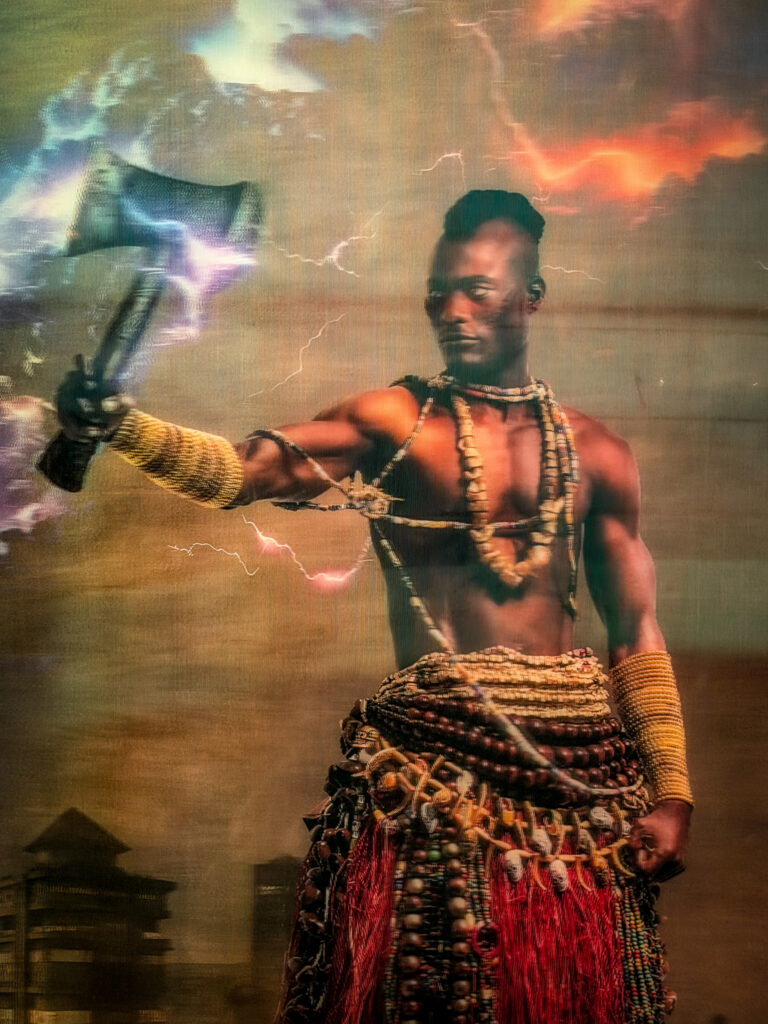
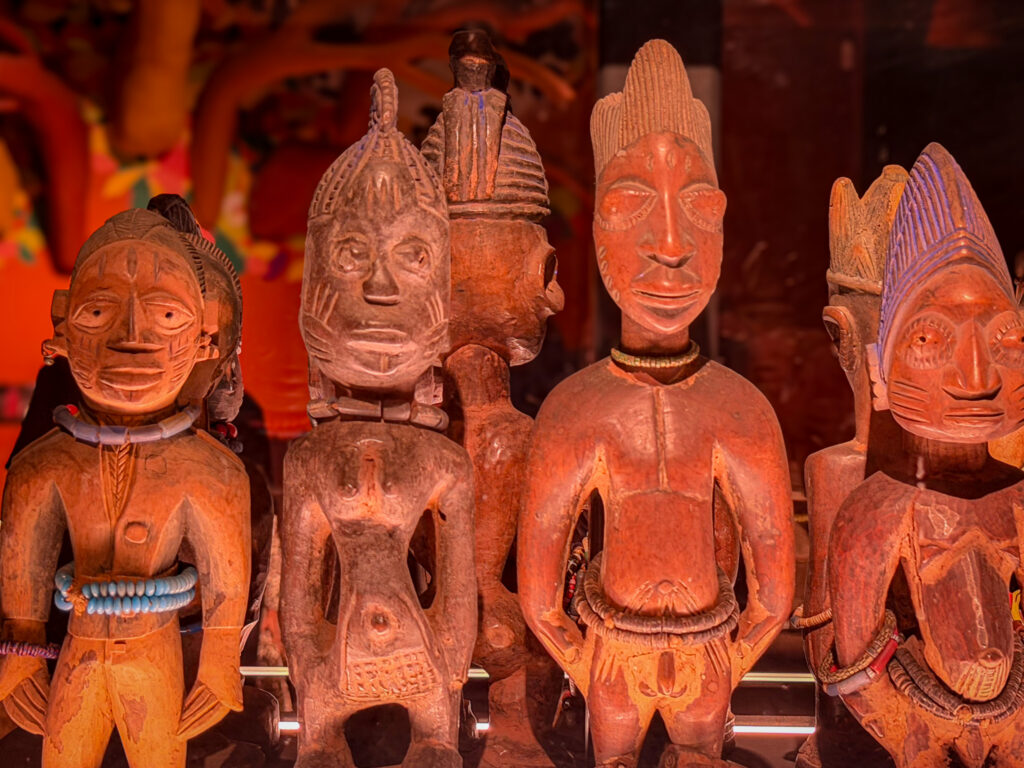
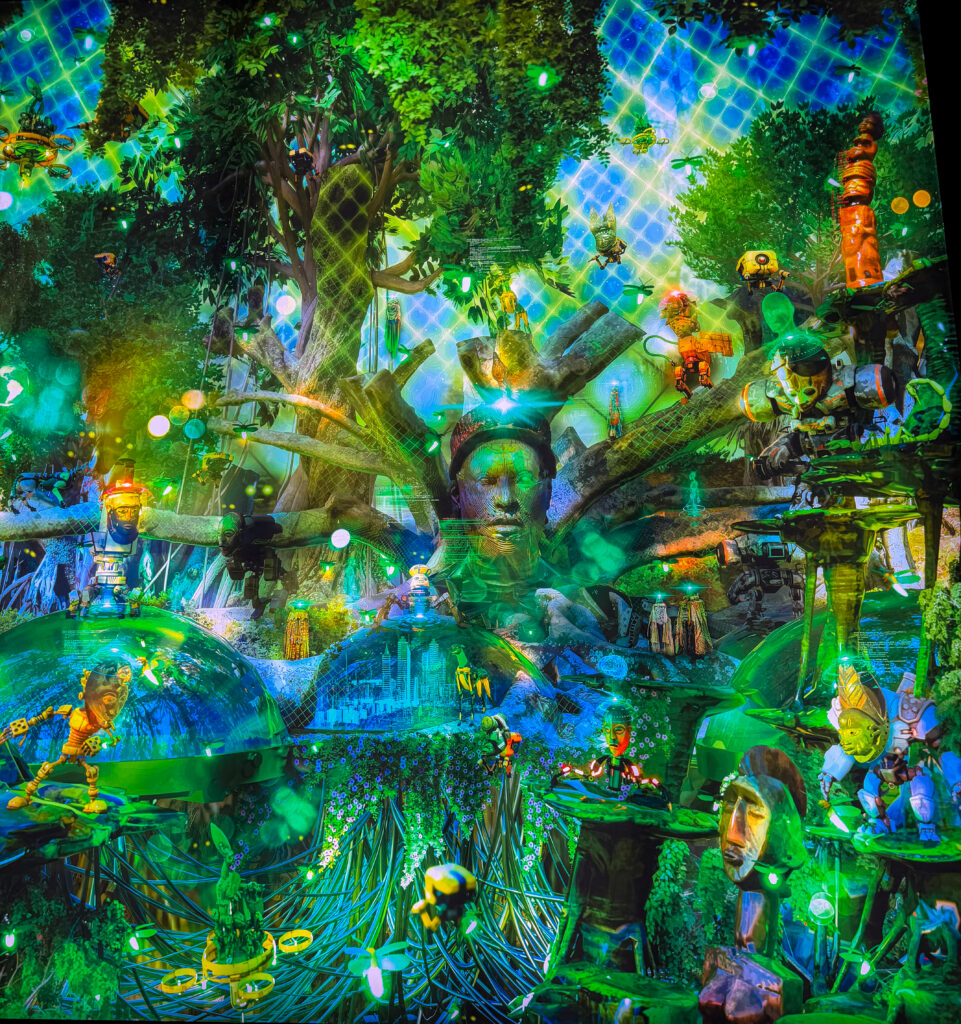
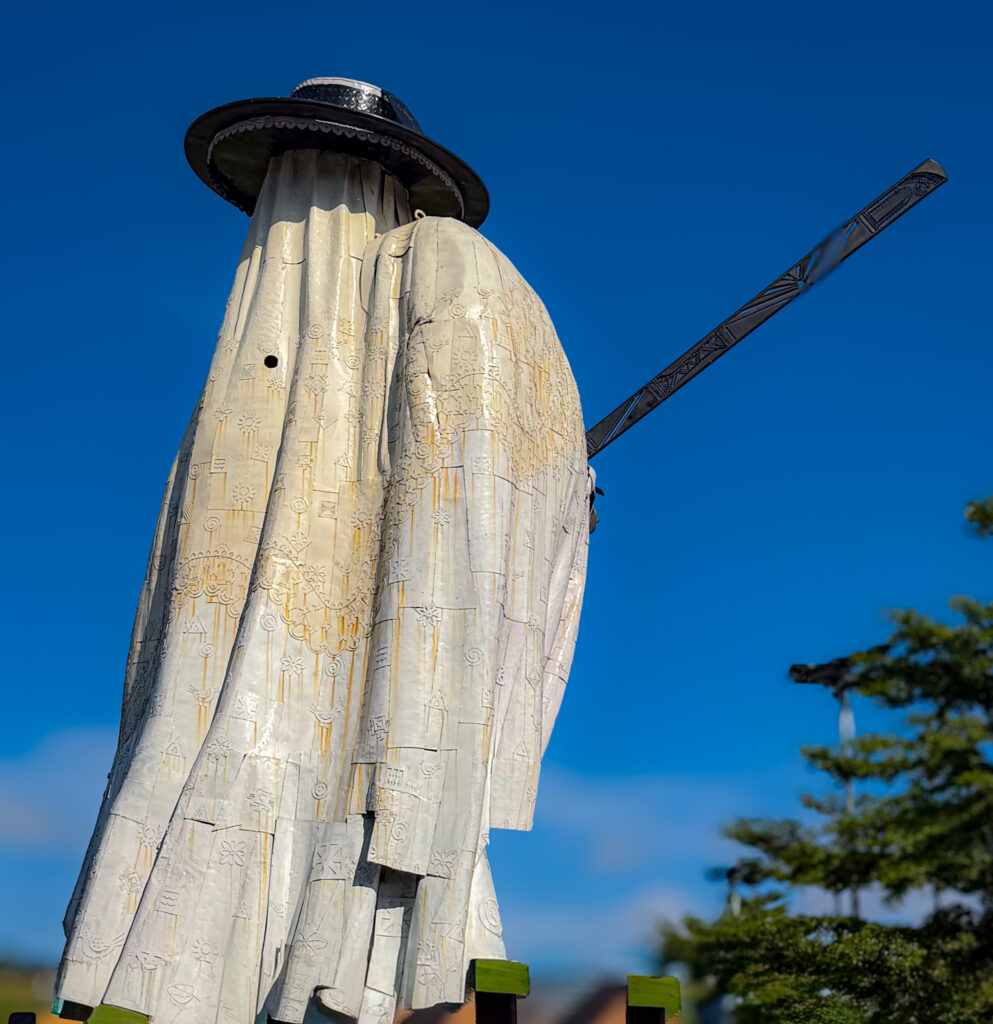
The J. Randle Centre for Yorùbá Culture and History is one of Lagos’s most impressive modern cultural spaces. The building itself is striking and beautifully designed, and inside the excellent lighting, contemporary exhibition design and imaginative displays would not look out of place in London or New York.
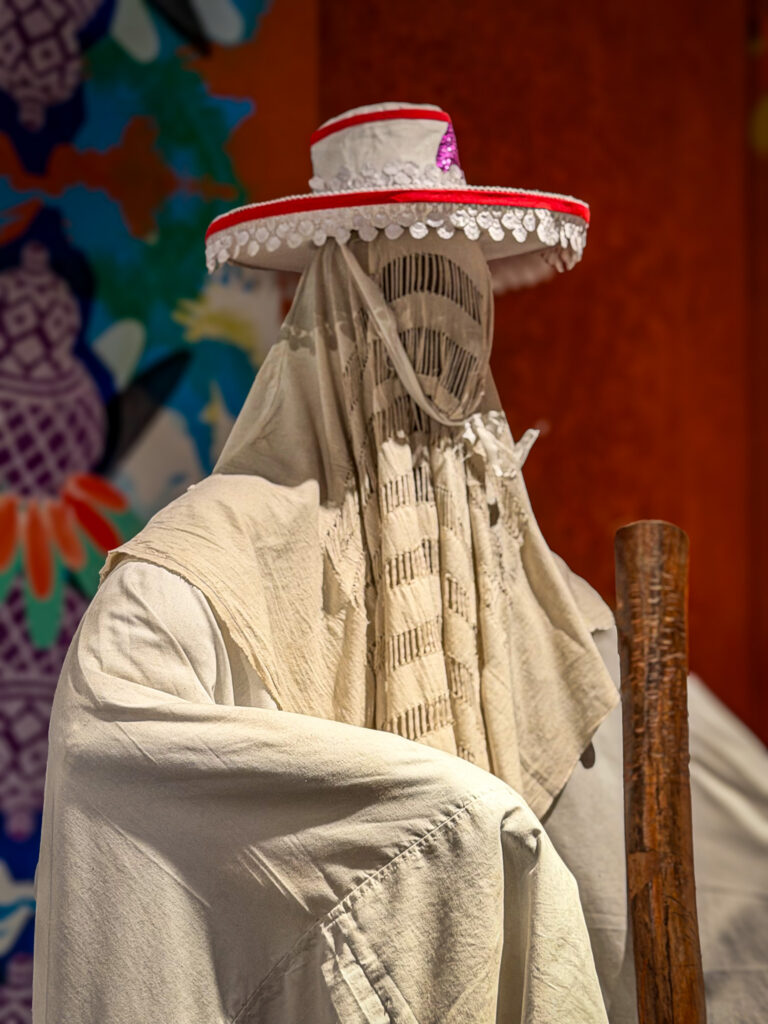
The exhibitions cover everything from Yorùbá traditions, spirituality and clothing to art, music and contemporary culture. There is plenty to see, and it’s an enjoyable place to spend a couple of hours.
My one criticism is that the museum doesn’t always tell its story particularly clearly. I would have liked a clearer starting point, some introductory context, and a stronger narrative to lead you through Yorùbá history and culture. Perhaps because the Centre primarily speaks to a Yorùbá audience, it sometimes assumes a level of knowledge an international visitor won’t necessarily have.
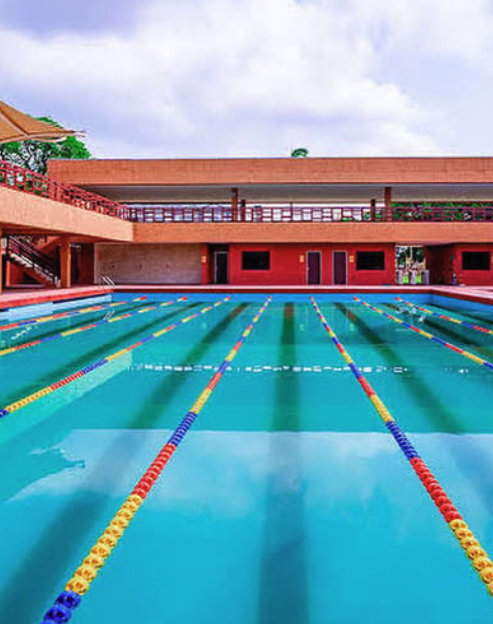
One particularly interesting part of the Centre is the swimming pool. Dr John Randle built the original public pool on the site in 1928 after the British colonial authorities refused to provide one for Lagosians. Randle paid for it himself, handed it over to the Lagos Town Council and even provided a maintenance fund. He also established a Swimming Trust, seeing swimming not simply as recreation but as an important life skill in a city surrounded by water. The pool remains part of the Centre today – although unfortunately it was closed when we visited.
Overall, it’s an impressive place and well worth visiting. It’s modern, interesting and beautifully presented — and another example of Lagos doing something rather better than many visitors might expect.